Hydraulic Components: Types, Functions, and Applications

Hydraulic systems are the backbone of numerous industries, powering everything from construction machinery to industrial equipment. At the heart of these systems are hydraulic components, each playing a critical role in ensuring smooth and efficient operation. This category dives into each component—like tanks, pumps, motors, and cylinders—to help you understand their individual functions, working mechanisms, and practical applications.

Hydraulic Steering Unit Displacement Calculation (Part 7)

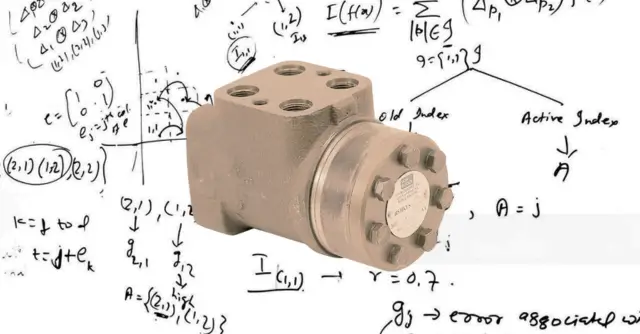
Last updated on December 16th, 2025 at 09:31 am Now that we’ve explored different types of steering systems, their components, and how they work, it’s time to bridge theory with practice. In this final post of our steering series, we’ll focus on calculating hydraulic steering unit displacement: a critical calculation that determines which steering unit […]
Steering

Off-Road Machine Steering Systems: Types, Working & Applications (Part 6)

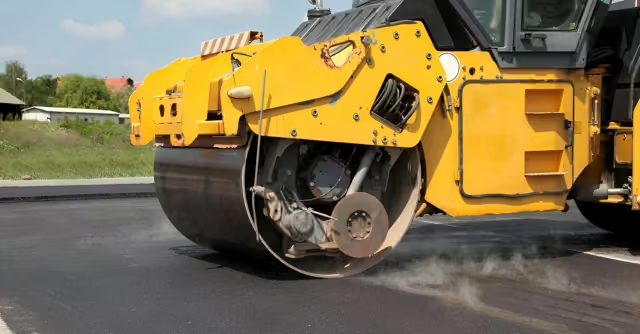
Last updated on December 14th, 2025 at 04:44 pmWheeled off-road machines require efficient and precise steering systems to navigate challenging terrains and perform specific tasks effectively. Your subscription could not be saved. Please try again. Your subscription has been successful. Learned a Thing? Subscribe and Let’s Keep the Momentum Flowing. SUBSCRIBE *Zero spam tolerance: Straight […]

Steering

Poclain’s HEVO Booster: Revolutionizing Hydraulic Power Efficiency

Last updated on June 8th, 2025 at 02:31 pmHydraulic systems in mobile machinery often face extreme torque peaks during operation. To handle these situations, engineers traditionally select hydraulic motors based on the worst-case scenario—such as moving a machine up a steep 30-40% gradient. Your subscription could not be saved. Please try again. Your subscription has […]

Features, Motor, Research and Update

Steering Technologies: 2-Speed, Q-Amp, and More (Part 3)

Last updated on June 8th, 2025 at 02:31 pmEver wondered what makes steering systems so adaptable across different vehicles? This post shows the inner workings of steering features like 2-Speed technology and Q-Amp flow amplification, showcasing how they transform vehicle control. Curious to know how they work? Your subscription could not be saved. Please try […]

Steering

Tailor-Made Hydraulic Cylinder Solutions for Harsh Conditions

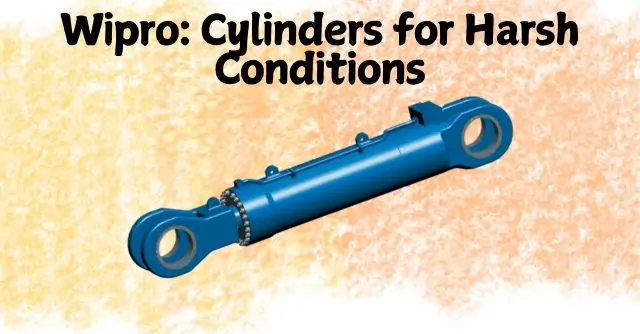
Last updated on June 8th, 2025 at 02:31 pmHydraulic cylinders are critical components of construction equipment, especially in harsh environments where mud, debris, and abrasive materials are present. Your subscription could not be saved. Please try again. Your subscription has been successful. Learned a Thing? Subscribe and Let’s Keep the Momentum Flowing. SUBSCRIBE *Zero spam […]

Research and Update, Cylinder

Explore how each part plays a role in hydraulic efficiency, from the flow of hydraulic oil to the precise control of valves and actuators. Whether you’re looking to learn about the basics or discover practical tips, this is your guide to everything hydraulic.

What Are Hydraulic Components?

Hydraulic components are mechanical parts designed to transmit power using pressurized hydraulic fluid. These components work together to perform tasks such as lifting, pushing, and pulling in industries ranging from construction to aerospace.

Industry leaders like Bosch Rexroth and Parker Hannifin design and manufacture world-class components to power modern machinery. These systems rely on the controlled movement of fluid to transmit power, and each component plays a specific role in maintaining this flow. From generating pressure to controlling direction and ensuring fluid cleanliness, hydraulic components are essential for effective system performance.

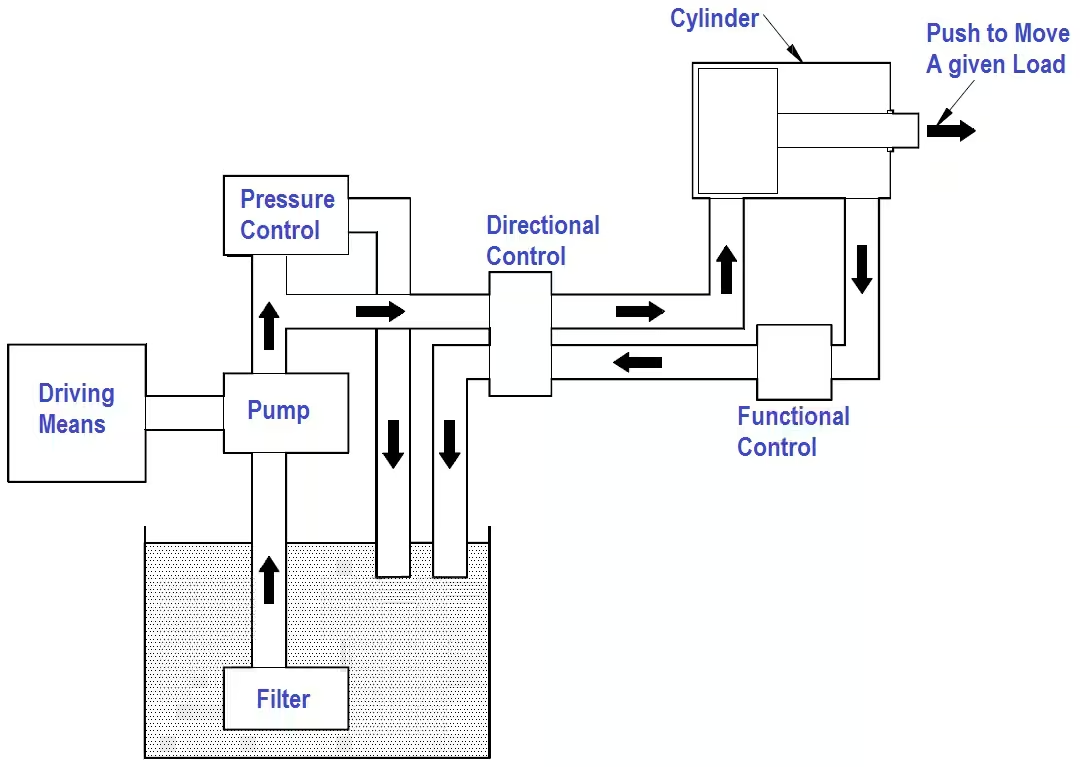
Diagram of Hydraulic Components in a Hydraulic System

Diagram of Hydraulic Components in a Hydraulic System

Types of Hydraulic Components and Their Functions

Below is a comprehensive breakdown of the key hydraulic components and their roles:

1. Hydraulic Tank

  • Function: The tank stores hydraulic fluid and allows for heat dissipation, air separation, and debris settling.
  • Design Considerations: Capacity, material (e.g., steel, aluminium), and shape.
  • Applications: Used in construction equipment, industrial presses, and agricultural machinery.

2. Hydraulic Pump

  • Function: Converts mechanical energy (torque, speed) into hydraulic energy (flow, pressure).
  • Types:
    • Gear Pump: Simple and cost-effective.
    • Vane Pump: High efficiency and low noise.
    • Piston Pump: High pressure and variable flow.
  • Applications: Excavators, loaders, and industrial robots.

3. Hydraulic Valves

  • Function: Control the flow, direction, and pressure of hydraulic fluid.
  • Types:
    • Directional Control Valves: Guide fluid to specific actuators.
    • Pressure Control Valves: Maintain safe pressure levels.
    • Flow Control Valves: Regulate fluid speed.
  • Applications: Used in precision machinery and heavy-duty equipment.

4. Hydraulic Cylinders

  • Function: Convert hydraulic energy into linear mechanical force.
  • Types:
    • Single-Acting: Fluid pushes in one direction.
    • Double-Acting: Fluid pushes in both directions.
  • Applications: Excavators, cranes, and presses.

5. Hydraulic Motors

  • Function: Convert hydraulic energy into rotational mechanical force.
  • Types:
    • Gear Motor: Compact and efficient.
    • Vane Motor: Smooth operation.
    • Piston Motor: High torque and variable speed.
  • Applications: Conveyor systems, winches, and wheel drives.

6. Hydraulic Hoses and Pipes

  • Function: Transport hydraulic fluid between components.
  • Material: Reinforced rubber, thermoplastic, or steel.
  • Applications: Used in mobile and stationary hydraulic systems.

7. Hydraulic Filters

  • Function: Remove contaminants from hydraulic fluid to ensure longevity and performance.
  • Types:
    • Suction Filters: Located in the tank.
    • Inline Filters: Positioned in the flow path.
  • Applications: Essential in all hydraulic systems to prevent damage.

8. Accumulator

  • Function: Stores hydraulic energy and absorbs pressure fluctuations.
  • Types: Bladder, piston, and diaphragm.
  • Applications: Emergency braking systems and energy recovery.

9. Hydraulic Steering

  • Function: Enables smooth steering in vehicles by using hydraulic pressure.
  • Applications: Heavy-duty vehicles, tractors, and off-road machinery.

How Hydraulic Components Work Together

In a hydraulic system, components work in harmony to achieve desired performance:

  1. Hydraulic Pump generates fluid flow.
  2. Hydraulic Valves guide the fluid to the desired actuator.
  3. Hydraulic Cylinders or Motors convert fluid energy into mechanical motion.
  4. Hydraulic Tank stores and recirculates the fluid.
  5. Filters and Accumulators ensure system cleanliness and stability.

By optimizing each component’s performance, hydraulic systems deliver high efficiency and reliability.


Applications of Hydraulic Components

Hydraulic components are used in a wide range of industries, including:

  • Construction: Excavators, loaders, and cranes.
  • Agriculture: Tractors, harvesters, and irrigation systems.
  • Industrial: Presses, injection molding machines, and conveyor systems.
  • Automotive: Power steering and braking systems.

FAQs About Hydraulic Components

1. What are the 5 basic components of a hydraulic system?

The five basic components are the hydraulic tank, pump, valves, actuator (cylinder or motor), and hoses-pipes.

2. How do hydraulic components work together?

Hydraulic components work by pressurizing and directing fluid to actuators, which then perform mechanical tasks.

3. What are the most common hydraulic components?

Common components include the hydraulic tank, pump, valves, cylinders, and filters.


Why Choose High-Quality Hydraulic Components?

Investing in high-quality hydraulic components ensures:

  • Improved Performance: Better efficiency and reliability.
  • Longer Lifespan: Reduced wear and tear.
  • Cost Savings: Fewer breakdowns and maintenance requirements.

By understanding the types and functions of hydraulic components, you can optimize your system for better performance and reliability. Whether you are designing a new hydraulic system or maintaining an existing one, choosing the right components is key to success.